Something Borrowed
Honeymoon Packages Compared: All-Inclusive versus Booking It Yourself
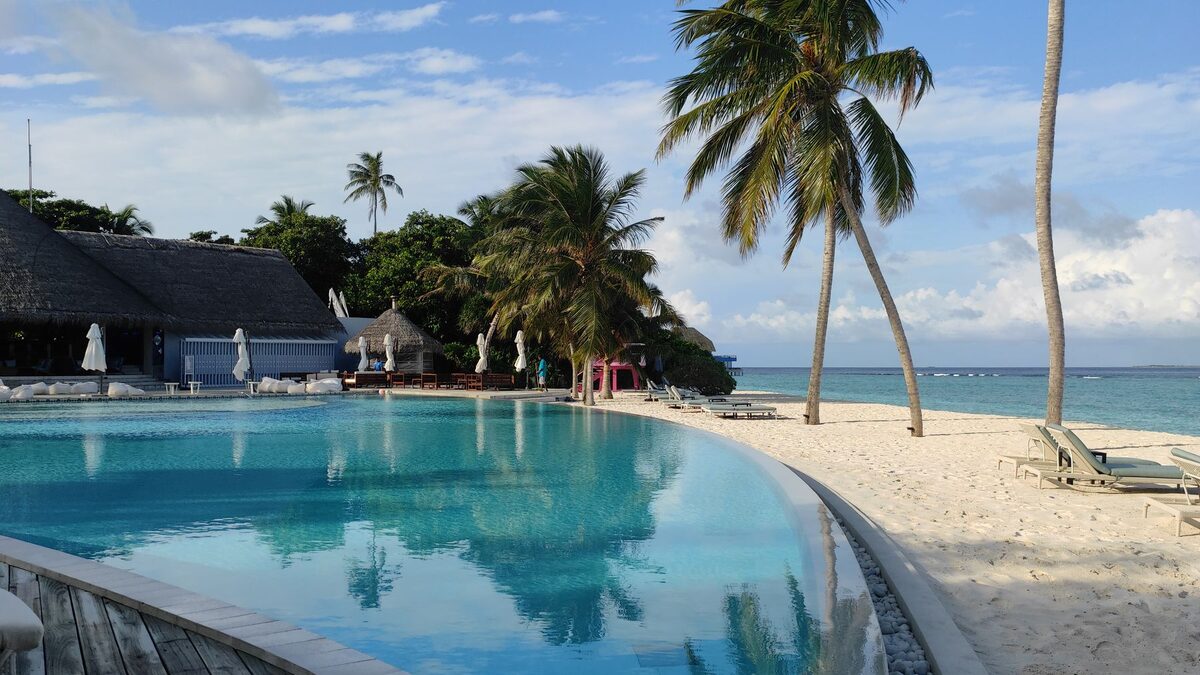
After the wedding is paid for, most couples have somewhere between $3,000 and $6,000 left for the honeymoon, and a genuinely confusing choice in front of them: book an all-inclusive package where the price is one clean number, or piece the trip together yourself and probably spend less — if you have the time and patience to do the piecing. We priced out four real-style resorts and ran the DIY numbers against them so you can see which approach actually fits your trip.
What "all-inclusive" is actually covering
The term gets used loosely, so it's worth being precise. A genuine all-inclusive honeymoon package typically bundles the room, all meals, all non-premium drinks (and sometimes premium ones too), standard water sports, resort transportation, and gratuities, into one nightly rate. What it usually does not cover: flights, excursions off the resort property, spa treatments, and any "swim-up suite" style upgrade.
Four resorts, four price points
These are current per-couple nightly rates based on a standard room category in peak season, gathered from the resorts' own current rate sheets.
Casa Marejada
Riviera Maya, Mexico
Mid-size adults-only property with three a la carte restaurants included and a swim-up bar that somehow never has a line.
From $420/night, per couple Get a Quote
Villa Lucente
Amalfi Coast, Italy
Boutique cliffside property, 14 rooms, breakfast included but dinner left up to you — which locals will tell you is the better plan here anyway.
From $310/night, per couple Get a Quote
Velora Atoll Resort
South Ari Atoll
The splurge option. Overwater villas, private sunset cruise included once per stay, and a genuinely excellent dive program.
From $890/night, per couple Get a Quote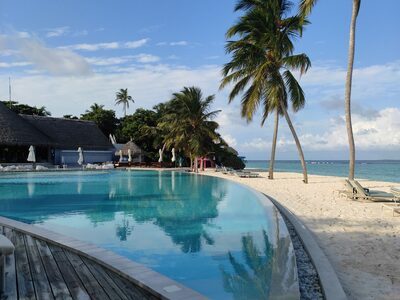
Playa Serenata
Punta Cana, Dominican Republic
Larger resort with the widest range of included excursions of any property on this list, from catamaran trips to a half-day fishing charter.
From $340/night, per couple Get a QuoteA closer look at the properties
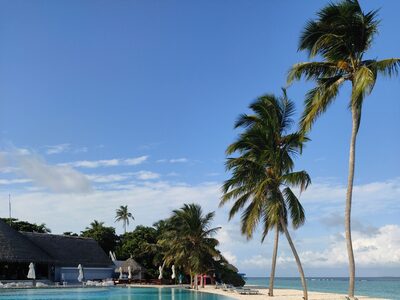
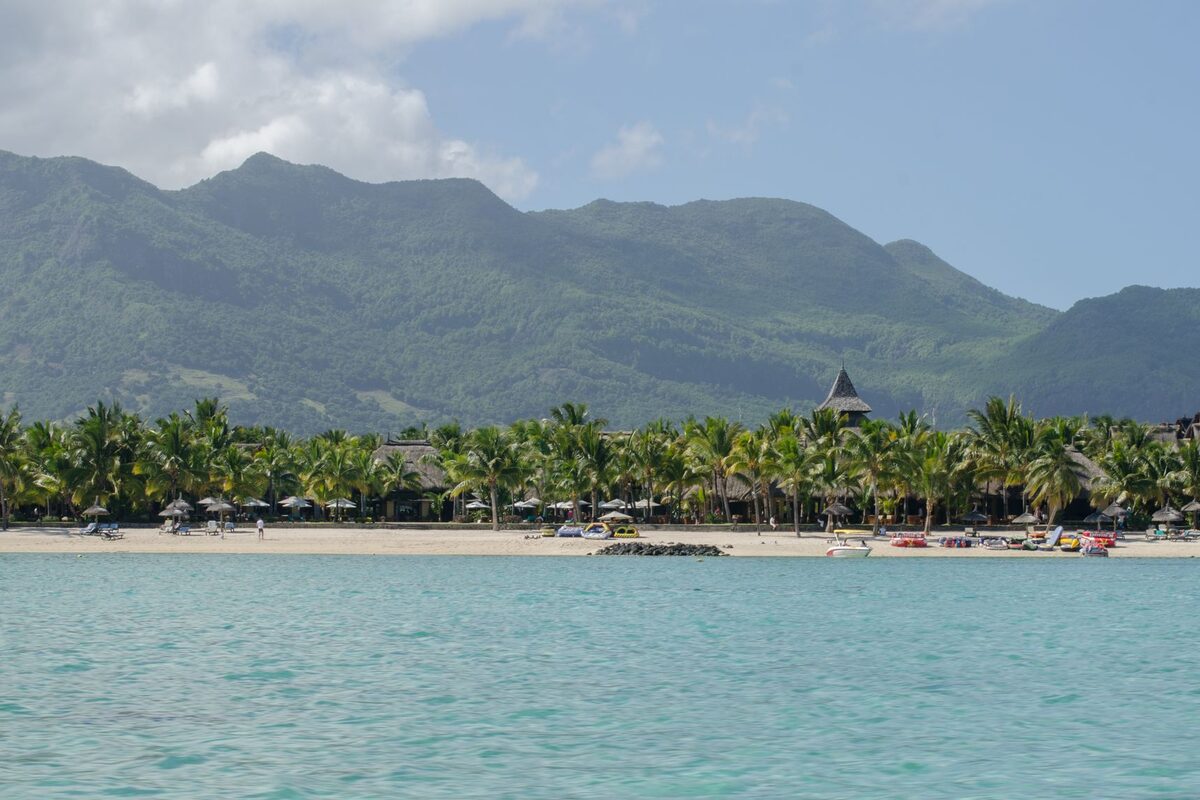
A few details from the properties above, pulled from recent guest photos and the resorts' own galleries.
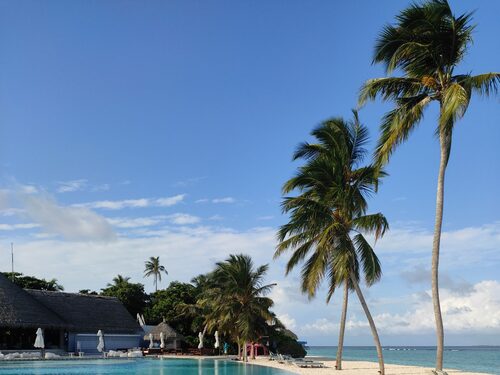
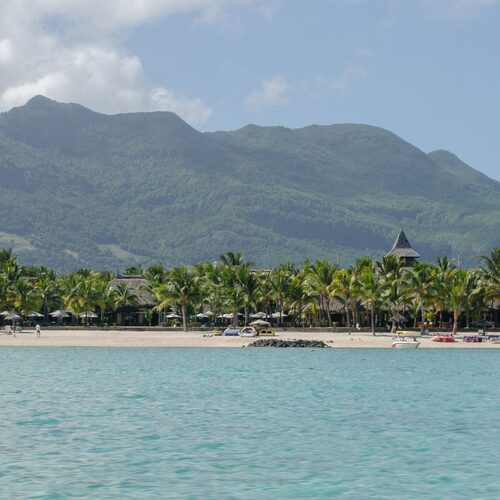

Photos: Raju Kumar & Lelani Badenhorst / Pexels.
The real cost comparison: a 7-night trip, booked both ways
To make this concrete, here's the same destination (Riviera Maya) priced two ways: booking Casa Marejada's all-inclusive package, versus booking a similar independent boutique hotel and paying for everything separately.
| Line item | All-inclusive package | Booked yourself |
|---|---|---|
| Room, 7 nights | Included | $1,610 |
| All meals & drinks | Included | $980 |
| Airport transfers | Included | $90 |
| One excursion / activity | Included | $220 |
| Gratuities | Included | $140 |
| Total, before flights | $2,940 | $3,040 |
In this particular comparison, the all-inclusive actually came out slightly cheaper, mostly because of how the resort bundles its restaurant pricing. That's not universal — boutique, DIY-booked trips in destinations like the Amalfi Coast or parts of Southeast Asia often beat all-inclusive pricing once you factor in how much less expensive local restaurants are than resort dining. The honest rule of thumb: all-inclusive tends to win in the Caribbean and Mexico, DIY tends to win in Europe and most of Asia.
When to book, relative to your wedding date
Lock in flights for peak-season destinations
Flight prices to honeymoon-heavy destinations (Maldives, Bora Bora, the Amalfi Coast in summer) climb steadily the closer you get to departure.
Book the resort or package
Most all-inclusive resorts release their best promotional rates in this window, often including a free night or room upgrade for booking early.
Buy travel insurance
Buying early matters here — many policies only cover pre-existing conditions or "cancel for any reason" upgrades if purchased within a window of your initial trip deposit.
The travel insurance question nobody budgets for
Honeymoon-specific travel insurance typically runs 5–7% of your total trip cost, which on a $4,000 honeymoon is somewhere around $200–$280 for a policy that covers trip cancellation, interruption, delayed or lost baggage, and emergency medical care abroad — something most domestic health insurance plans don't touch once you've left the country. Given that wedding-adjacent trips get cancelled or delayed more often than people expect (a missed connection the day after a wedding is its own special kind of stressful), this is one of the few add-ons we'd call close to non-negotiable.
If you're comparing policies, get quotes from at least two providers before you book, since pricing can vary by several hundred dollars for the same coverage depending on your age, destination, and whether you add the "cancel for any reason" upgrade.
Registry Picks



A few things to check regardless of which way you book
Whether you end up all-inclusive or fully independent, a handful of details catch honeymooners every year regardless of booking style. Confirm whether your resort or hotel requires proof of marriage for any "honeymoon package" perks — many do, and a handful require it within a specific window after your wedding date, not months later. Check whether your destination requires a visa, and how long that visa takes to process; this trips up more couples than almost anything else on this list, especially for trips booked quickly after a wedding. And if you're changing your last name before the trip, make sure your passport and your airline booking name match exactly, since a mismatch can delay check-in or, in rarer cases, boarding entirely.
It's also worth asking any resort directly, all-inclusive or not, what their actual refund and rebooking policy looks like for weather-related disruptions, since hurricane season overlaps with several popular honeymoon windows in the Caribbean and Mexico specifically.
Our take
If you'd genuinely rather not think about logistics during the first week of your marriage, pay for the all-inclusive — the premium you pay is partly a premium on not making decisions. If you're the kind of couple who enjoys researching a destination, and your honeymoon spot is somewhere DIY travel clearly beats resort pricing (most of Europe, much of Southeast Asia), it's worth the extra planning hours. Either way, buy the insurance.